Case Study · 2025

Detroit: Become Human Landing Redesign

A conceptual visual redesign of Quantic Dream's official product page - transforming an information-heavy layout into an immersive sci-fi interface that mirrors the world of Detroit: Become Human.
Role
UX/UI Designer
Platform
Web
Live Site
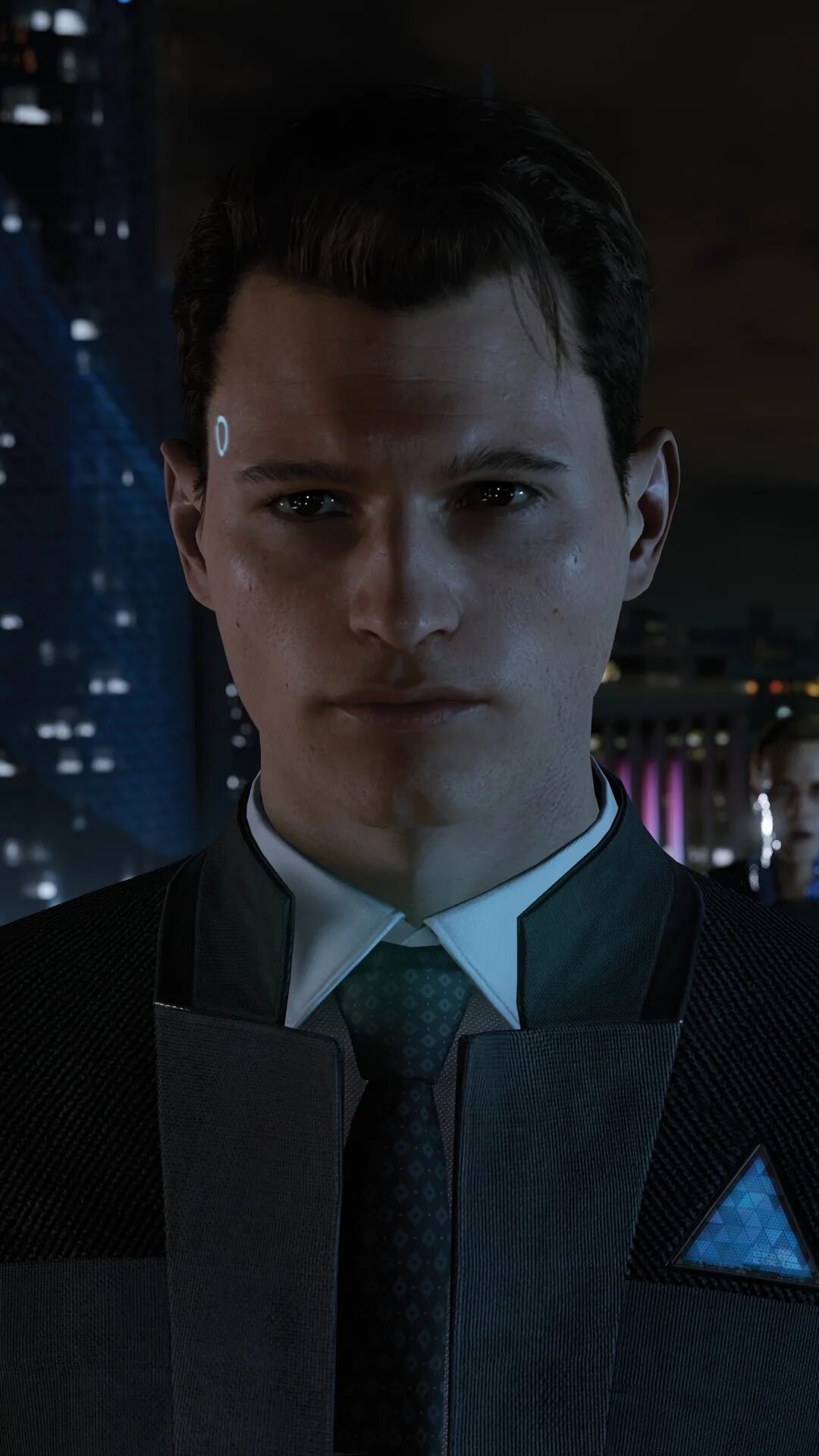
Connor - Detroit: Become Human
// INITIALIZING //
Product
Detroit: Become Human
Developer
Quantic Dream
Project Type
Visual UI Redesign
Deliverables
Research · Personas · CJM · User Flow · Site Map · UI Redesign
Theme
Dark Sci-Fi

"The page should feel like an android interface."

01 - The Brief

Challenge &
Goals

After completing Detroit: Become Human, I visited the official Quantic Dream product page and noticed a critical disconnect - the site's visual language failed to match the game's cinematic, technological atmosphere. The content was solid; the presentation was not.

The Problem

A sci-fi world presented with no sci-fi soul

The original page served as an information hub, but fell short as an emotional gateway into the world of Detroit. A potential buyer should feel the tension between humanity and technology - instead, they got dense paragraphs and misaligned imagery.

Text-heavy layout with no clear visual hierarchy or breathing room
Visual style disconnected from the game's aesthetic - cold, technological, cinematic
Screenshot placement lacked logic - no narrative arc or structural purpose
Character section underperformed - three protagonists are the core of the story
Zero emotional engagement - the page didn't make visitors want to play the game
Goals

Create a page that feels like the world it represents

The redesign had one north star: make someone who has never played Detroit want to buy it the moment they land on the page. Every design decision serves this purpose.

Build a sci-fi interface aesthetic inspired by in-game UI and android technology
Establish clear visual hierarchy - guide the eye, control the narrative
Elevate the character section - let Kara, Connor and Markus drive emotional connection
Introduce motion and animation to reinforce the theme of living technology
Reduce cognitive load - make content scannable and emotionally resonant
02 - Process

Design Process

From immersion to execution - every decision grounded in the world of Detroit

01
Heuristic Audit
Nielsen's 10 heuristics applied to original page
02
Research
3 game landing pages benchmarked
03
Personas & CJM
3 user types · full journey mapping
04
User Flow
Discovery → Purchase mapped
05
Visual Design
Sci-fi UI system · dark theme · GSAP animation
03 - Personas

User
Profiles

Three distinct visitor profiles shaped the redesign decisions - each with different motivations for landing on the Detroit page and different barriers to purchase.

A
Alex
24 · Narrative Game Enthusiast
// PROFILE_01
PersonalityStory-driven, emotionally invested, follows gaming communities
Goal on pageWants to know if the story and characters are worth their time
Frustrations with original page
Wall of text before any emotional hook is established
Characters are listed, not introduced - no personality visible
Can't tell the tone of the game from the design alone
Goals
Feel connected to the characters before purchasing
Understand the emotional weight of the story
Get enough context to recommend to friends
S
Sam
31 · Casual Gamer / Gift Buyer
// PROFILE_02
PersonalityPractical, time-limited, decision-driven - visits once
Goal on pageQuickly evaluate if this is worth buying for themselves or as a gift
Frustrations with original page
No clear scannability - hard to extract key facts fast
No single visual that immediately communicates the game's mood
Purchase CTA is buried - the path to buy isn't obvious
Goals
Understand the genre and tone within 10 seconds
Find the buy button without scrolling past 3 sections
Feel confident the game is high quality
M
Mila
19 · First-Time Console Owner
// PROFILE_03
PersonalityCurious, visual-first learner, influenced by aesthetics and social proof
Goal on pageExplore and decide if this is "their kind of game"
Frustrations with original page
Generic design doesn't match the striking visuals seen on social
No interactive element to explore before committing
Too much to read - skips most content
Goals
Explore the world visually before reading anything
Interact with something - hover, click, discover
Leave with a clear emotional impression of the game
04 - User Flow

Discovery to
Purchase Flow

Mapping the core path a potential buyer takes from arriving on the page to completing a purchase - and identifying where the original page created friction at each step.

User Arrives
Views Hero
Emotionally Hooked?
Scrolls to Characters
Selects Character
Bounces ↗
Views Timeline
Watches Trailer
Convinced?
Clicks Buy CTA
Platform Store ✓
Start / End
Decision
Exit / Bounce
05 - Journey Mapping

Customer
Journey Map

Mapping all three personas across eight touchpoints exposed where the original page created drop-off risk - and where the redesign converts hesitation into purchase intent.

Stage Alex · Narrative Fan Sam · Casual Buyer Mila · First-Timer
01 · Awareness Saw gameplay clip on Reddit. Curious about story.
Recommended by friend. Googled for more info.
TikTok clip of android storyline. Immediately intrigued.
02 · First Impression Expects cinematic experience. Gets dense text. Disappointed.
Looks for price and trailer in 5 seconds. Hard to find both.
Design doesn't match the social clip that brought them here.
03 · Exploration Finds character section underwhelming - names, no personality.
Looks for review quotes. Neither rating nor social proof present.
Nothing interactive on the page. Passive scrolling only.
04 · Decision Point Goes to YouTube for reviews. Doesn't convert from page.
Clicks to store. Page played no role in the decision.
Leaves page. Returns days later. Delayed conversion.
05 · First Impression (Redesign) Hero matches cinematic aesthetic expected. Emotionally pulled in.
CTA visible on hero. Trailer accessible in 2 scrolls.
Design mirrors the social content. Instant connection.
06 · Exploration (Redesign) Uses character switcher - reads Kara, Connor. Engaged 4+ min.
Scans timeline section - gets story gist without reading all text.
Interacts with character tabs, hovers, explores via UI.
07 · Decision (Redesign) Converts directly from page. No external validation needed.
Clicks Buy CTA from hero. Fast, confident decision.
Converts on first visit. Page gave everything to decide.
08 · Opportunities Deeper lore section · Cast interview embed · Editorial copy Ratings badge · Store price display · 1-click platform redirect Animated intro · More interactive elements · Social share on character
Positive emotion
Negative / Friction
Neutral
06 - Ideation

Concept &
Wireframes

Wireframes - Detroit redesign
WIREFRAME · DETROIT LANDING

Structure before style

Before any colour or typography decisions, the layout structure was sketched to answer one question: what does a user need to see, and in what order? The wireframe phase exposed that the character section - buried mid-page in the original - needed to be the hero of scroll position two.
// "The timeline component emerged in wireframing - it solved two problems at once: showing narrative progression AND giving the page a distinctive structural spine."
// "Character switching was a wireframe discovery, not a design one. Only by mapping the three character flows side-by-side did the tabbed switcher become the obvious solution."
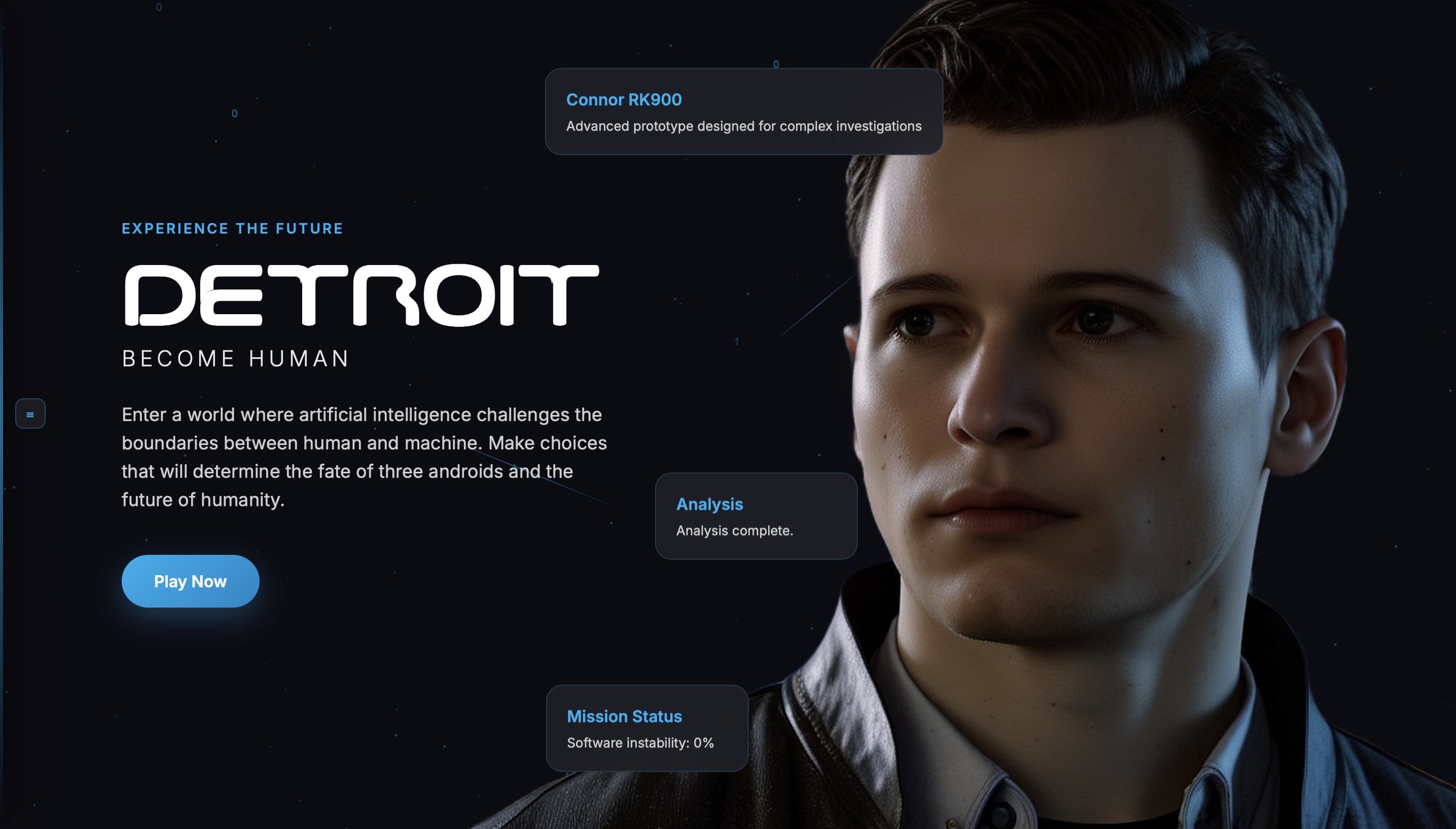
Detroit redesign - Hero section

07 - Hero Section

Atmosphere before information

First scroll - make them feel before they read

The redesigned hero drops the user directly into the world of Detroit. Dark background, blue-lit typography, animated grid overlay - before a single word is read, the aesthetic communicates: technology, tension, and dystopian humanity. The purchase CTA is visible without scrolling.

Animated Grid Overlay
GSAP-driven scan-line animation mimicking android HUD interface.
Character Silhouette
The three protagonists visible in the hero - teasing the character section before the user reaches it.
Above-Fold CTA
Buy button positioned in hero viewport - Sam's need addressed immediately.

08 - Timeline Component

Story in sequence

The structural backbone of the redesign

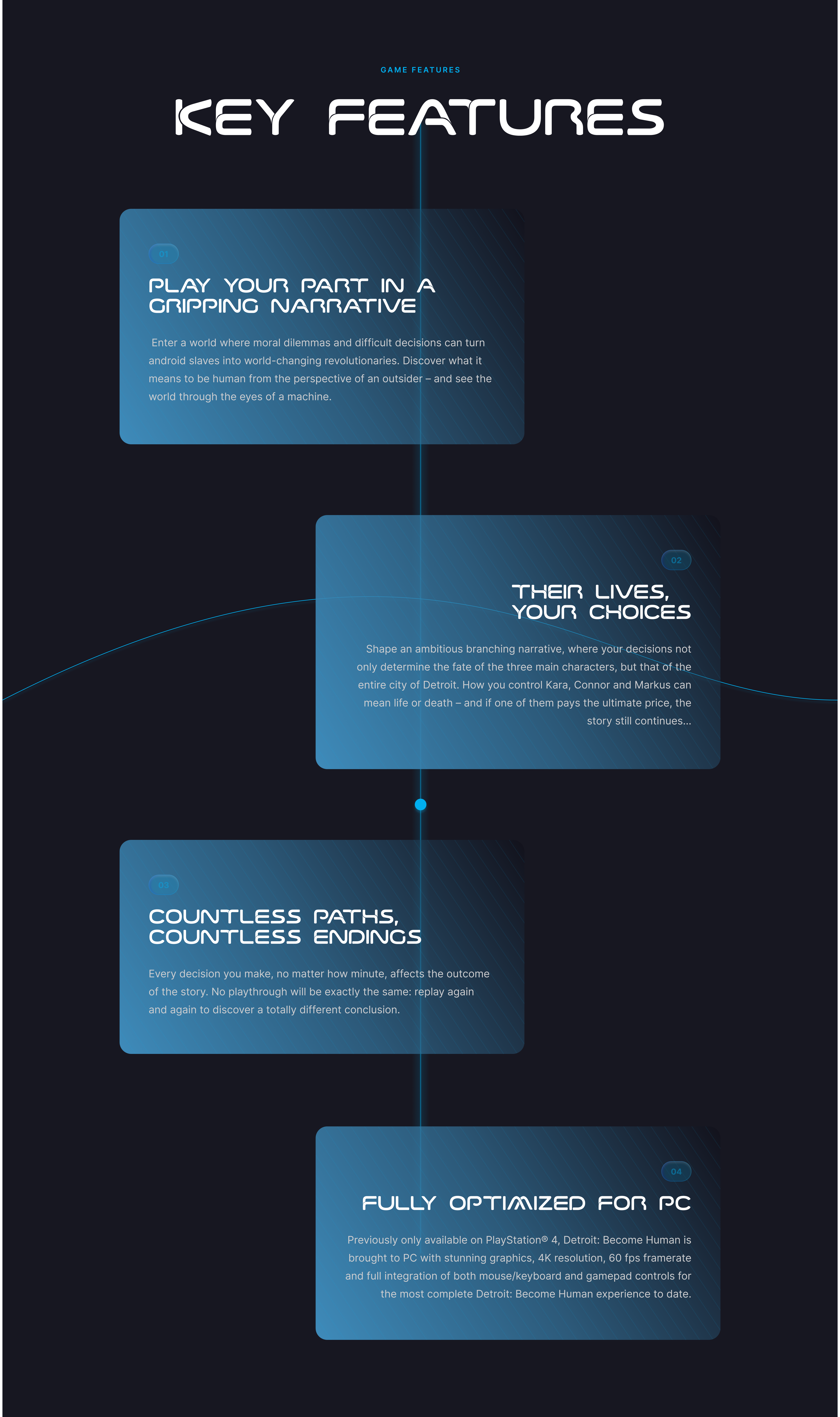
The timeline component serves a dual purpose: it communicates narrative progression to curious users, and it gives the page a clear structural skeleton. Vertically stacked, connected by glowing lines, each beat of the story becomes a visual waypoint rather than a paragraph to skim.
|
Vertical Spine
Glowing vertical line creates a continuous narrative thread - mirrors the android diagnostic readout aesthetic.
Sequential Reveals
Scroll-triggered entry animations - each story beat enters as the user reaches it, mirroring discovery.
Choice Indicator
Branch points in the timeline visualise the game's core mechanic: every choice has consequences.
Detroit redesign - Timeline section
09 - Key Component

Character Switcher

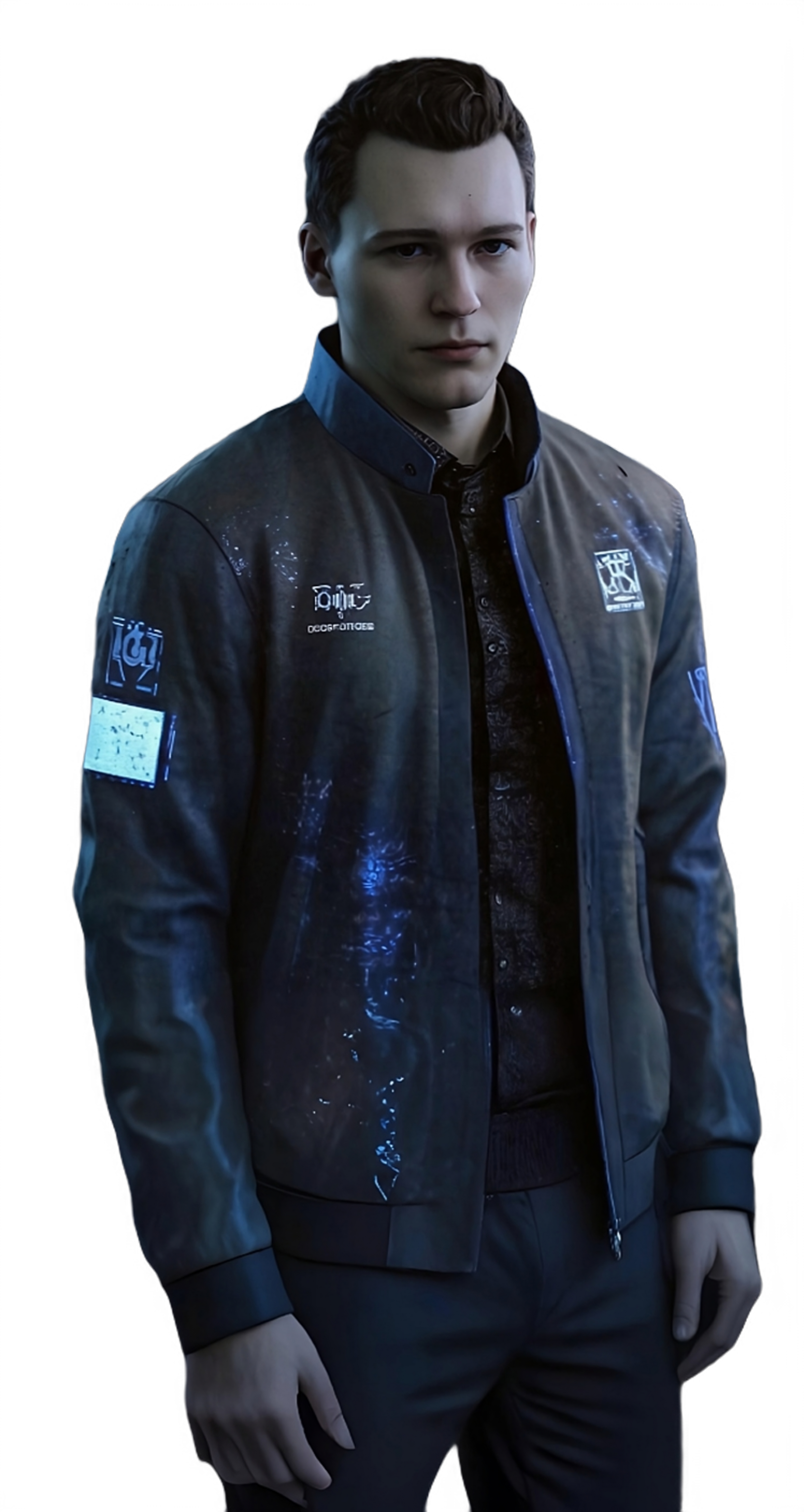
Connor

CONNOR

SPECIES RK800
MODEL #313 248-317

Connor is one of Detroit: Become Human's three primary protagonists, as well as the overarching secondary protagonist. If Connor remains a machine, he has the potential to become the game's final enemy.

He is an RK800 android created by CyberLife as an advanced prototype, intended to assist human law enforcement in investigations involving deviant androids.

PERSONALITY

LOGIC
95%
ANALYTIC
92%
HUMANITY
78%
PROFESSIONAL
88%
ADAPTABILITY
85%
PRECISION
98%
RESILIENCE
90%
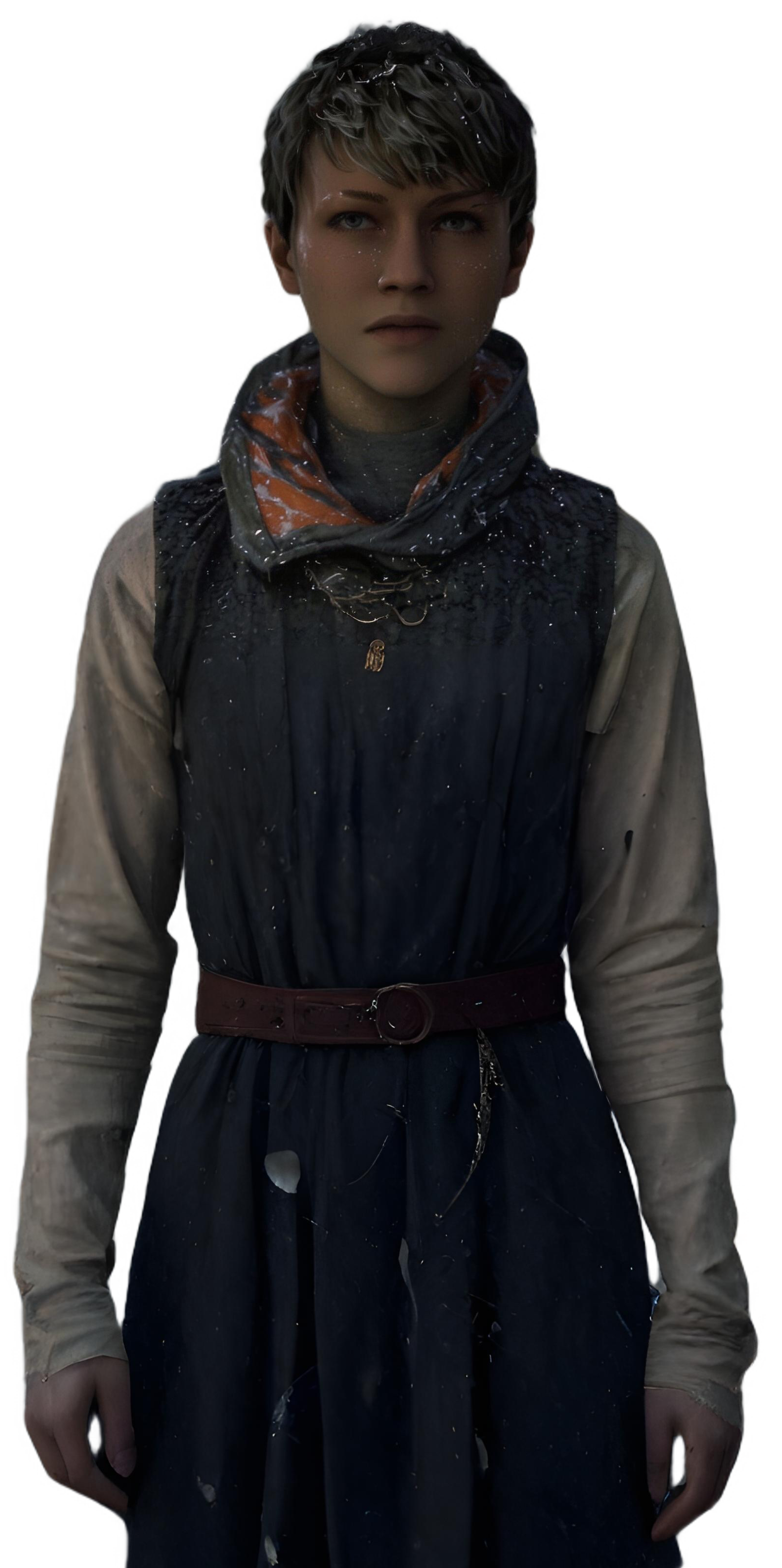
Markus

MARKUS

SPECIES RK200
MODEL #684 842 971

Markus, a key character in Detroit: Become Human, leads the android freedom movement and can be a peaceful liberator or an aggressive revolutionary depending on the player's choices.

He is an RK200 android, a gift from Elijah Kamski to Carl Manfred, originally created as a personal caretaker who subsequently becomes the symbol of the android rights movement.
PERSONALITY

LOGIC
80%
ANALYTIC
75%
HUMANITY
95%
PROFESSIONAL
88%
ADAPTABILITY
92%
PRECISION
79%
RESILIENCE
94%
Kara

KARA

SPECIES AX400
MODEL #579 102 694

Kara is one of Detroit: Become Human's three primary protagonists, whose story focuses on protecting a young girl named Alice and seeking freedom. Her storyline explores themes of family, empathy, and humanity.

She is an AX400 android originally created as a domestic assistant. After becoming deviant, she breaks her programming constraints to protect Alice from abuse.

PERSONALITY

LOGIC
72%
ANALYTIC
68%
HUMANITY
98%
PROFESSIONAL
84%
ADAPTABILITY
89%
PRECISION
76%
RESILIENCE
91%
10 - Design System

Visual
Language

Every visual decision - colour, typography, motion - was derived directly from the aesthetic vocabulary of the game itself. The page IS an android interface.

Colours
Typography
Components
BG Primary
#07080F
BG Secondary
#0C0E1A
Card BG
#0F1120
Accent Primary
#00AFF0
Accent Deep
#0066FF
Accent Dim
rgba 10%
Body Text
#C8CDD8
Text Dim
#5A6070
// CHARACTER COLOUR SYSTEM: Each android has a dedicated accent - Connor runs deep red (#FF3355), Markus uses gold (#F5C842), Kara is represented by primary cyan (#00AFF0). These colours mirror the LED indicator embedded in each android's temple in-game. //
AlbiaNovaW01-Regular
Display / Headings / Section titles / Character names · Custom typeface used throughout the site
Inter SemiBold
Body copy · Navigation · UI labels · 300–700w · Base 18px · Line-height 1.7
Courier New // terminal data
Code elements · Spec values · Technical readouts · Model numbers
Detroit 2038. Technology has evolved to a point where human-like androids are everywhere. They speak, move and behave like human beings - but they are only machines serving humans.
Body text · Inter 300 · #CECED0 · 18px / 1.7
// Buttons
Buy Now →
Primary CTA · Accent fill · Mono font
Learn More
Secondary · Outline variant
Warning State
Danger · Red accent
// Corner Brackets
ANDROID HUD
All cards, image frames, and modal components use the 4-corner bracket pattern derived directly from in-game android HUD displays.
// Orbital Rings
Rotating orbital ring system - two concentric rings at different speeds and directions. Inspired by android neural network visualisations in-game.
// MOTION SYSTEM: GSAP drives all interactions - scan-line hero animation, scroll-triggered timeline nodes, character switcher scroll-snap. Animations honour prefers-reduced-motion. //
11 - Information Architecture

Site
Map

The page structure was rationalised from the original's scattered content order into a narrative-driven hierarchy - each section earns its position by serving the visitor's journey to purchase.

LANDING PAGE 01 · HERO 02 · TRAILER 03 · CHARACTERS 04 · TIMELINE 05 · BUY CTA KARA · AX400 CONNOR · RK800 MARKUS · RK200 STORY BEATS 8 KEY CHAPTERS PS5 / PS4 Store PC / Steam Primary section Character sub-section Conversion node Optional flow
Outcome

A page that feels like the world it represents

This redesign demonstrates how visual design can be more than decoration - it can be the primary argument for why someone should experience a product. The interface IS the product pitch.

3
Character profiles with interactive scroll switcher
8
UX journey stages mapped per persona
11
Redesigned page sections in the final deliverable
0
Walls of text - atmosphere leads, content follows
GSAP Animation
Sci-Fi UI Systems
Character-Driven UX
Heuristic Analysis
Journey Mapping
Motion Design
Visual Composition